Inspect the material and the reason the facade looks dirty
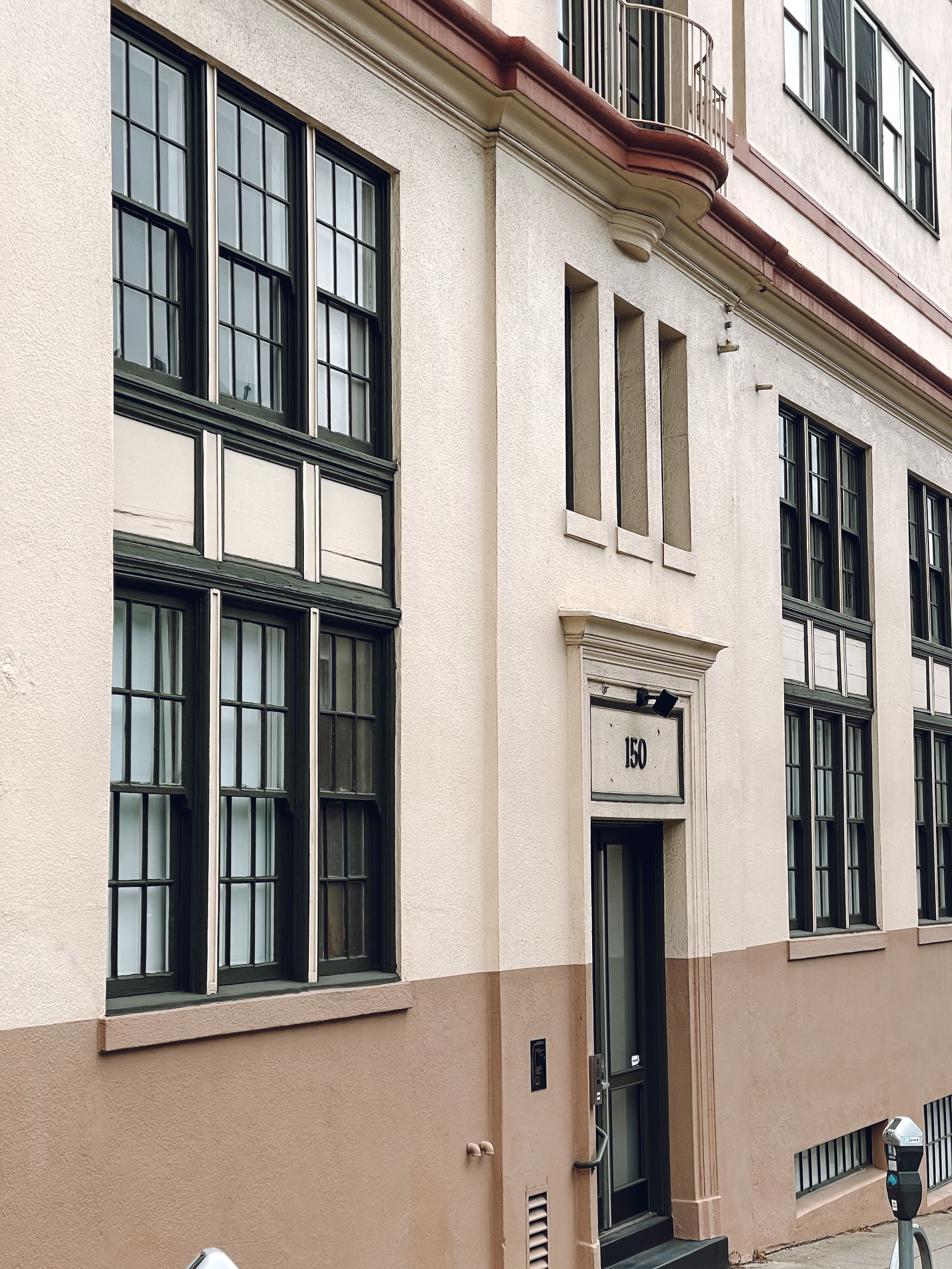
Clarksville commercial properties commonly combine brick, mortar, concrete, precast, storefront glass, metal trim, painted panels, EIFS, stone, canopies, signs, and sealants. Downtown buildings may place older masonry beside newer storefront work and narrow sidewalks. A Wilma Rudolph Boulevard retail or hospitality property may have broad elevations, drive-through lanes, parking fields, delivery activity, and irrigation. A warehouse or office near the city's east and north corridors may have loading doors, employee approaches, truck film, and equipment that should not be exposed to uncontrolled spray. Each material and zone needs a separate decision.
Soft washing can suit compatible organic growth, pollen film, bird residue, and some atmospheric soil when chemistry, dwell time, rinse, and protection match the surface. A dark streak can instead be rust, oxidation, efflorescence, mineral scale, soot, failed paint, or a roof-edge problem. Cracked masonry, open mortar, spalled concrete, loose coatings, leaking joints, and unstable trim are not ordinary dirt. The proposal should separate removable soil from conditions that may need a mason, roofer, painter, or building-envelope specialist and use a test area when the finish history is uncertain.
- Separate brick, mortar, concrete, glass, metal, EIFS, stone, painted, and coated areas before selecting a method.
- Trace whether discoloration comes from pollen, organic growth, minerals, rust, exhaust, irrigation, or a water path.
- Test representative surfaces when an older repair, coating, or unfamiliar finish may change the response.
- Record damaged materials and exclude repair, leak diagnosis, and restoration from routine washing pricing.
Plan around downtown, Wilma Rudolph Boulevard, and retail movement
Downtown Clarksville work can involve pedestrians, restaurants, events, curbside parking, residences, public buildings, narrow staging areas, and customers moving between storefronts. A facade beside the Cumberland River may have riverfront traffic, changing wind, and a visible arrival route. The right sequence might keep a main door open while a side elevation is cleaned, or divide the block-facing wall into smaller phases. The site contact should identify accessible paths, emergency routes, outdoor seating, cameras, utility areas, and the person authorized to pause work when conditions change.
Wilma Rudolph Boulevard and the Governors Square retail area create a different operating picture: shared drive aisles, parking turnover, delivery windows, restaurant entrances, shopping traffic, signs, canopies, and adjacent tenants. A hotel or retail manager may want the most visible elevation completed before a busy period, while a service or office property may prefer work around employee arrival and departure. Phasing, barriers, spotters, hose routing, and handback checks should be included in the quote instead of left to the crew on the morning of service.
Fort Campbell-adjacent context also matters without implying base access, installation work, or any relationship that has not been established. Commercial properties near the installation, gate-area traffic, lodging, restaurants, offices, and service businesses may have security, delivery, vehicle, and schedule considerations that differ from a quiet suburban wall. The plan should be based on the named property and its owner-approved access rules. The cleaning provider should not assume permission to enter controlled areas or represent work for the installation without written authorization.
Schedule for Clarksville humidity, pollen, and severe weather
Humid summers and frequent rain can leave shaded masonry, recessed entrances, north-facing walls, lower parapets, and landscaped edges damp longer than exposed surfaces. Spring pollen settles on ledges, signs, canopies, rooftop equipment, and glass, then combines with moisture and traffic film. Summer heat changes evaporation, dwell time, plant protection, and worker exposure. A storm can dilute an application, move loosened soil toward a low point, or change the feasibility of a lift, hose, barrier, or aerial operation. A calendar date alone is not a complete commercial schedule.
Review forecast rain, lightning, wind, humidity, heat, surface moisture, visibility, pedestrian conditions, and drying time by phase. Direct sun may dry a west-facing wall while a covered entrance remains wet. Gusts can move spray and affect public separation. Define pause and reschedule triggers before equipment is staged, and coordinate them with downtown events, shopping peaks, hotel occupancy, office hours, school calendars, deliveries, and shift changes. A dry inspection after the work is part of the finish standard, not an optional extra.
Repeat staining is often a maintenance clue. Overflowing gutters, blocked downspouts, failed sealants, roof-edge details, irrigation spray, condensation, and sloped sills can keep wetting one section of wall. Washing may improve the appearance while leaving the cause in place. Closeout notes should identify obvious water paths and recommend owner, roofer, mason, or envelope review when a building defect appears to be driving the discoloration.
- Review precipitation, wind, lightning, humidity, heat, surface moisture, visibility, and drying time by phase.
- Inspect gutters, downspouts, roof edges, joints, canopies, irrigation, and low walls for repeat wetting.
- Protect landscaping, coatings, people, equipment, and neighboring finishes from heat, chemistry, overspray, and runoff.
- Agree on weather pause triggers before mobilization rather than improvising after the site is wet.
Use aerial access only when the Clarksville site supports it
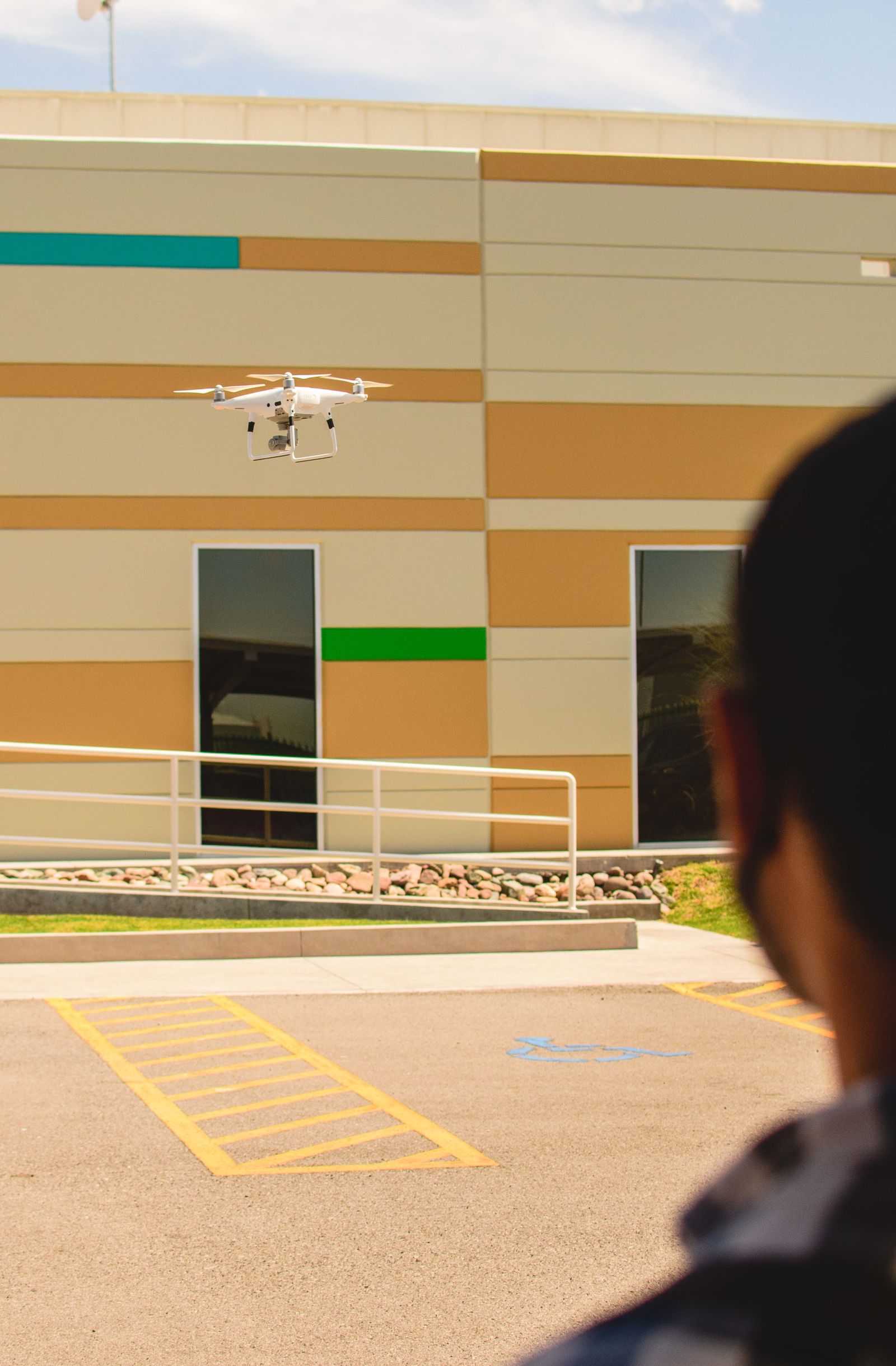
Drone-assisted application or rinsing may be considered for a compatible, broad upper elevation when there is sufficient stand-off distance, clear visual control, launch and recovery space, manageable wind, separation from people and vehicles, and a workable ground plan. It may reduce repositioning for selected parapets, tall walls, ledges, or sign bands. It does not make fragile chemistry appropriate, contact-clean every window, remove bonded mineral deposits, detail recessed architecture, or repair failed joints. The scope should identify candidate elevations and the zones that remain ground, pole, lift, roof-access, or hand work.
Clarksville's overhead utilities, mature trees, rooftops, parking lots, busy corridors, riverfront wind, nearby controlled activity, and changing pedestrian patterns can change aerial feasibility at the exact address. Commercial drone operations remain subject to applicable Federal Aviation Administration rules and any required authorizations. Owner permission is not a substitute for aviation compliance or public separation. If wind moves the rinse path, recovery space is inadequate, or people cannot be controlled, another access method or a quieter work window is more appropriate.
A hybrid plan can use aerial support on a suitable upper wall, controlled low-pressure work on durable concrete, a water-fed pole for selected glass, and hand detailing around doors, signs, canopies, and storefront frames. Height alone does not determine the method. Material, soil, finish expectation, public exposure, drainage, wind, and the level of detail the owner wants all belong in the assessment.
Map access, runoff, and public protection before water is applied
Before washing begins, map sidewalks, accessible paths, doors, parking aisles, loading areas, air intakes, cameras, electrical equipment, landscaping, outdoor seating, vehicles, and adjacent tenants. Clarksville sites may drain toward curb inlets, planted beds, swales, detention features, basement ramps, or low points beside a parking deck. The field plan should identify hoses, barriers, spotters, water access, protective measures, emergency routes, and the site contact who can stop work when conditions change.
Water management depends on the product, soil removed, rinse volume, slope, storm inlets, sanitary connections, and applicable site requirements. A storm drain below a facade is not automatic permission for treated water to enter it. Depending on the actual scope, controls may include diversion, collection, recovery, reduced rinse volume, filtration, plant protection, disposal, or coordination with the responsible authority. The proposal should state assumptions and explain what happens if observed flow differs from the pre-work review.
Closeout documentation gives the facilities team a useful record. Photograph representative pre-work conditions, completed elevations, remaining deposits, loose or damaged materials, water-path observations, weather interruptions, and areas that need another trade. The owner should know what was cleaned, what was unsuitable for the selected method, and what maintenance issue could cause staining to return. That clarity matters for downtown tenants, retail customers, hotel guests, employees, and properties serving the Fort Campbell-area community.
- Locate drains, low points, landscaping, doors, air intakes, loading zones, vehicles, and public routes before setup.
- Confirm water access, hose routing, barriers, spotters, emergency access, and the person authorized to stop work.
- Document runoff assumptions and stop conditions for unexpected flow, pedestrians, vehicles, lightning, or wind.
- Photograph completed zones, remaining deposits, and visible conditions that need repair or restoration.
Request a quote that describes the Clarksville outcome
A useful quote starts with the outcome: a downtown entrance ready for customers, a Wilma Rudolph Boulevard retail facade that presents well during shopping hours, a Governors Square-area property with a controlled tenant route, or an office, hotel, warehouse, or service building with a practical maintenance plan. The scope should name elevations, materials, likely deposits, access method, protection, weather limits, drainage assumptions, expected improvement, and exclusions. It should not imply that washing repairs a leak, guarantees uniformity, or removes every mark from every substrate.
Send the address, wide photos of each facade, close-ups of staining, approximate height, materials if known, priority areas, desired finish, preferred work window, water access, drainage concerns, and restrictions involving customers, tenants, deliveries, employees, vehicles, events, or controlled access. Previous cleaning records and notes about leaks, coatings, sealants, mineral deposits, or repairs help separate routine cleaning from restoration. Drone Building Cleaners can recommend soft washing, controlled pressure, aerial assistance, pole work, lift access, hand detail, or a phased combination after reviewing those facts.
Call +1 239-351-2897 or email contact@dronebuildingcleaners.com to begin a Clarksville commercial building review. The quote process is intended for offices, hotels, healthcare, education, retail, logistics, manufacturing, warehouse, and mixed-use properties that need a clear plan before work is scheduled.